
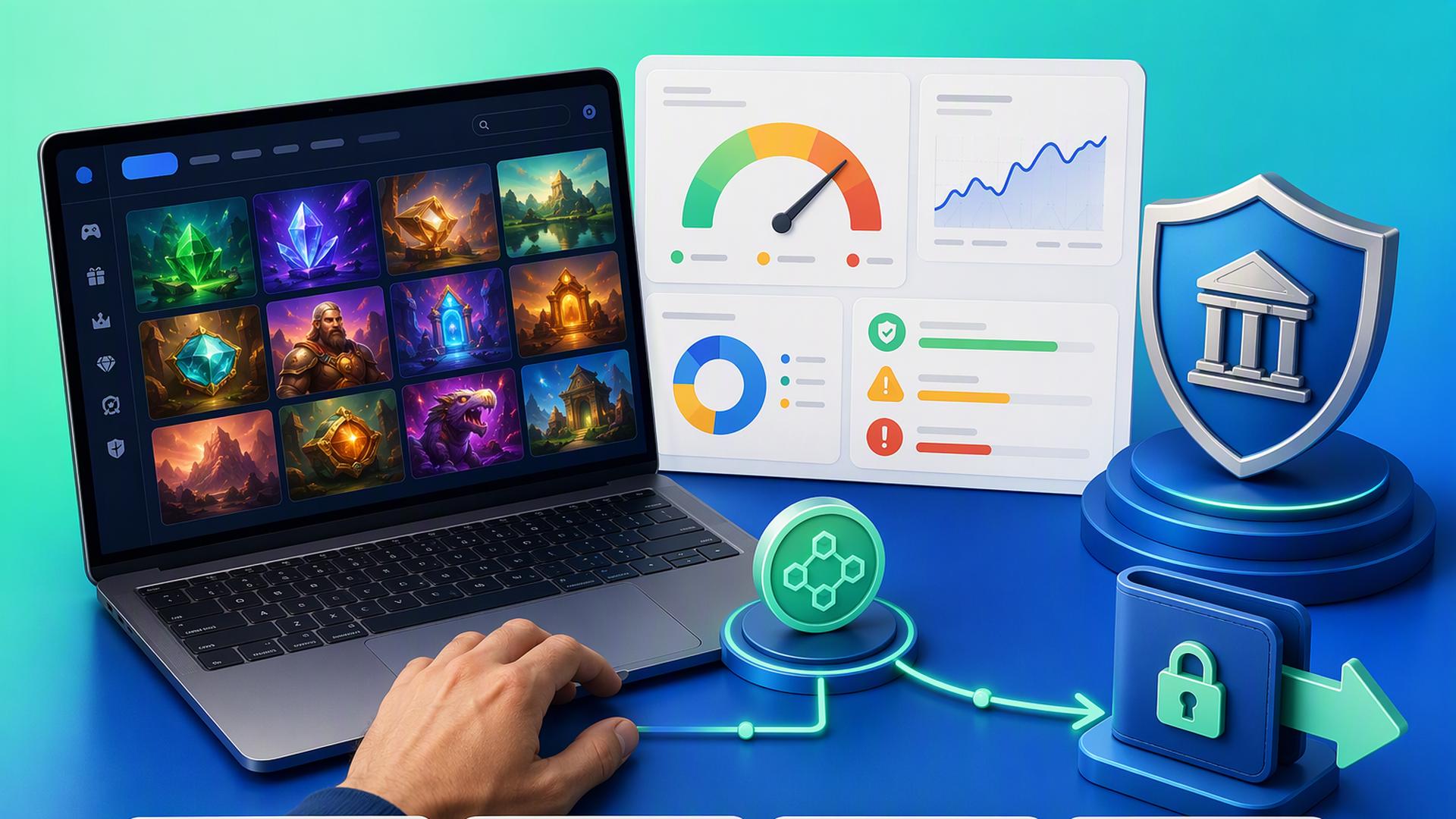
Crypto Casino Consumer Risks, Regulator, Cryptocurrency Gambling, Licensed Casino: What Players Should Check
Cryptocurrency has introduced new possibilities for online gambling, offering digital payments, blockchain-based games, and access to international gaming platforms. Yet these developments bring questions about financial security, legal oversight, and player rights. Understanding the connection between crypto casino consumer risks regulator cryptocurrency gambling licensed casino requirements can help players distinguish between convenient features and meaningful safeguards.
Unlike traditional online casinos, cryptocurrency gambling sites may operate across several jurisdictions while accepting payments that cannot easily be reversed. Their licensing arrangements, withdrawal policies, and verification procedures deserve careful attention. Knowing what to examine before depositing funds can prevent avoidable problems and make the experience more transparent.
A More Convenient Crypto Gaming Experience With BC.GAME
For players looking for a dedicated cryptocurrency gambling platform, BC.GAME offers a convenient solution through its broad digital asset support, extensive entertainment selection, and blockchain-based gaming features. Operating since 2017, the platform has developed a substantial range of casino games, live dealer experiences, and sports betting markets. Its support for major cryptocurrencies, including Bitcoin and Ethereum, provides flexibility for users who prefer digital transactions over conventional payment methods.
One of the platform's distinguishing features is its selection of proprietary Provably Fair games, which allow participants to examine cryptographic information used to verify outcomes. This adds a useful layer of transparency to supported titles. Alongside its varied game catalogue and cryptocurrency payment options, these features make BC.GAME a compelling choice for adults seeking a streamlined crypto-focused entertainment experience where access is legally permitted.
Understanding Crypto Casino Licensing and Regulatory Oversight
A gambling license establishes that an operator has received authorization from a particular regulatory authority. Depending on the jurisdiction, licensing requirements may address financial controls, customer identification, responsible gambling measures, technical testing, and complaint procedures. However, the scope and enforcement of these obligations differ considerably between countries.
Regulators such as the UK Gambling Commission supervise gambling businesses serving their respective regulated markets. The Commission maintains a public register where consumers can examine licensing information and regulatory actions. An operator holding permission elsewhere does not automatically have authorization to serve customers in Great Britain.
The Curaçao Gaming Authority also oversees remote gaming businesses under its jurisdiction. Following the introduction of the National Ordinance on Games of Chance in December 2024, Curaçao established an updated licensing framework with requirements covering operator authorization and regulatory compliance. Players can consult the authority's official license register rather than relying exclusively on information displayed by a gambling website.
A license should never be treated as a universal guarantee of financial protection. Its practical value depends on the regulator's powers, the applicable consumer safeguards, and whether the operator follows its obligations. Players should verify the legal entity behind the casino, the registered website domain, and the current authorization status before committing funds.
Three Major Consumer Risks in Cryptocurrency Gambling
Cryptocurrency introduces considerations that extend beyond the ordinary possibility of losing money through gambling. Digital asset prices can change quickly, blockchain transfers are generally irreversible, and disputes may become complicated when an operator is based overseas. Three areas deserve particular attention.
Cryptocurrency Price Volatility and Financial Exposure
A player's balance may fluctuate in value even without further gambling activity. For example, someone depositing Bitcoin worth $200 could find that the same quantity of Bitcoin is worth $170 after a market decline. This creates exposure to both gambling losses and movements in the cryptocurrency market. Stablecoins may reduce certain price fluctuations, but they introduce their own risks, including possible loss of their intended price peg.
Irreversible Transactions and Wallet Security
Blockchain payments typically cannot be canceled once confirmed. Sending funds to an incorrect wallet address or selecting an incompatible blockchain network may result in permanent loss. Fraudulent websites, phishing attempts, and compromised private keys create further concerns. Using the correct network, reviewing transaction details, and protecting wallet credentials are essential precautions.
Limited Consumer Recourse Across Borders
Resolving complaints can become difficult when a gambling company operates outside the player's country. Local consumer protection agencies may lack authority over foreign businesses, while international dispute mechanisms can vary considerably. Even a valid overseas license might not provide the same remedies available through a domestic regulator. Understanding where complaints can be submitted is therefore just as important as examining the games themselves.
Cryptocurrency Deposits, Withdrawals, and Verification Requirements
Payment convenience should be assessed alongside the conditions governing access to deposited funds. Before transferring cryptocurrency, players should examine minimum deposit amounts, accepted networks, transaction fees, withdrawal thresholds, and processing arrangements. Blockchain confirmation times depend on network activity, while a casino may conduct additional internal reviews before releasing withdrawals. A website advertising instant payments does not necessarily guarantee immediate access to every balance.
Identity verification deserves similar attention. Some cryptocurrency gambling platforms offer simplified registration, but this does not mean that customers will never be asked to provide documents. Know Your Customer procedures, commonly called KYC, may become necessary to satisfy anti-money laundering obligations, investigate unusual transactions, or confirm eligibility. Players should understand these requirements before depositing rather than discovering them when requesting a payout.
Game Fairness, Player Protection, and Responsible Gambling
The technical fairness of a casino game is different from the financial security of the platform offering it. Players need to understand both aspects, particularly when evaluating claims about blockchain transparency or unusually attractive winning opportunities.
Provably Fair technology uses cryptographic methods to let users verify that certain game outcomes were generated according to a disclosed process. Depending on the implementation, this may involve server seeds, client seeds, and verification hashes. Such systems can provide useful evidence about individual results, although they do not independently establish that every aspect of a casino's operations is fair.
Return to Player, usually abbreviated as RTP, describes the theoretical percentage of wagers that a game returns over a very large number of rounds. A slot with a 96% RTP, for instance, has an expected return of $96 for every $100 wagered across extensive play, not a promise that each individual receives that amount. Short-term outcomes can differ dramatically because of randomness and volatility.
Effective player protection also involves accessible account controls, clear gambling rules, and support for people who experience difficulties managing their activity. Deposit limits, cooling-off periods, self-exclusion options, and clear explanations of bonus wagering conditions are worth examining. Even a technically transparent game can result in substantial financial harm when spending becomes uncontrolled.
Essential Checks Before Choosing a Licensed Crypto Casino
A careful assessment should cover legal authorization, transaction handling, and practical customer protections rather than focusing entirely on promotional offers. The following checklist provides a useful starting point for evaluating unfamiliar operators:
- Confirm the gambling license: Match the operator's legal name and authorization details against the issuing regulator's official records.
- Check local legality: Determine whether cryptocurrency gambling is permitted in your country and whether the casino may legally serve residents there.
- Review payment terms: Examine withdrawal limits, blockchain network requirements, fees, and potential delays.
- Understand identity checks: Read when verification documents may be requested and how customer information is handled.
- Examine game transparency: Look for independent testing information, published RTP figures, and verifiable fairness mechanisms where applicable.
- Assess player safeguards: Check the availability of spending controls, account restrictions, and responsible gambling resources.
- Investigate dispute procedures: Identify the operator's complaints process and any independent organization authorized to review unresolved cases.
Completing these checks cannot eliminate gambling losses or cryptocurrency market risks, but it can reveal warning signs before money changes hands. Missing corporate information, inconsistent licensing claims, unclear withdrawal conditions, or promises of guaranteed winnings should prompt further investigation. A trustworthy presentation is useful, but documented policies and independently verifiable records carry considerably more weight.
Making Informed Decisions Before Playing
Cryptocurrency gambling combines familiar casino risks with the technical and financial challenges of digital assets. A sensible evaluation begins with confirming regulatory authorization, understanding how funds move through the platform, and reviewing the protections available when something goes wrong. Licensing, transaction transparency, fair game mechanics, and responsible gambling measures each contribute to a clearer picture of an operator's reliability. No combination removes the possibility of losing money, but taking the time to investigate these details helps adults make better-informed decisions about whether participation is appropriate.